

WHAT WE DO
Developing the Global Sports Industry
Professional development in modern sports administration, leadership, governance and management.

Sports Management
Professional development in modern sports administration, leadership, governance and management..
Sports Education
Professional courses, diplomas, workshops, seminars and learning opportunities for the global sports community.
Coaching Education
Supporting coaches through professional development, knowledge exchange and international learning opportunities.
Sports Events & Competitions
Developing tournaments, leagues, championships and sports development programs..
Professional Sports Education
Develop modern and practical knowledge for today’s global sports industry.
Professional Recognition
Access certificates, professional programs and international development opportunities..
WHY UCSMC?
Build Your Future in the Global Sports Industry
UCSMC combines professional sports education with international exposure, practical learning and global networking opportunities.


Global Exposure
Connect with sports professionals, organizations and communities internationally.

Professional Sports Education
Develop modern and practical knowledge for today’s global sports industry.

Career Development
Strengthen your professional profile, leadership abilities and industry knowledge.

International Networking
Build professional relationships with sports leaders, educators, coaches and organizations.
Our Team
Experience & Our Professionals Team
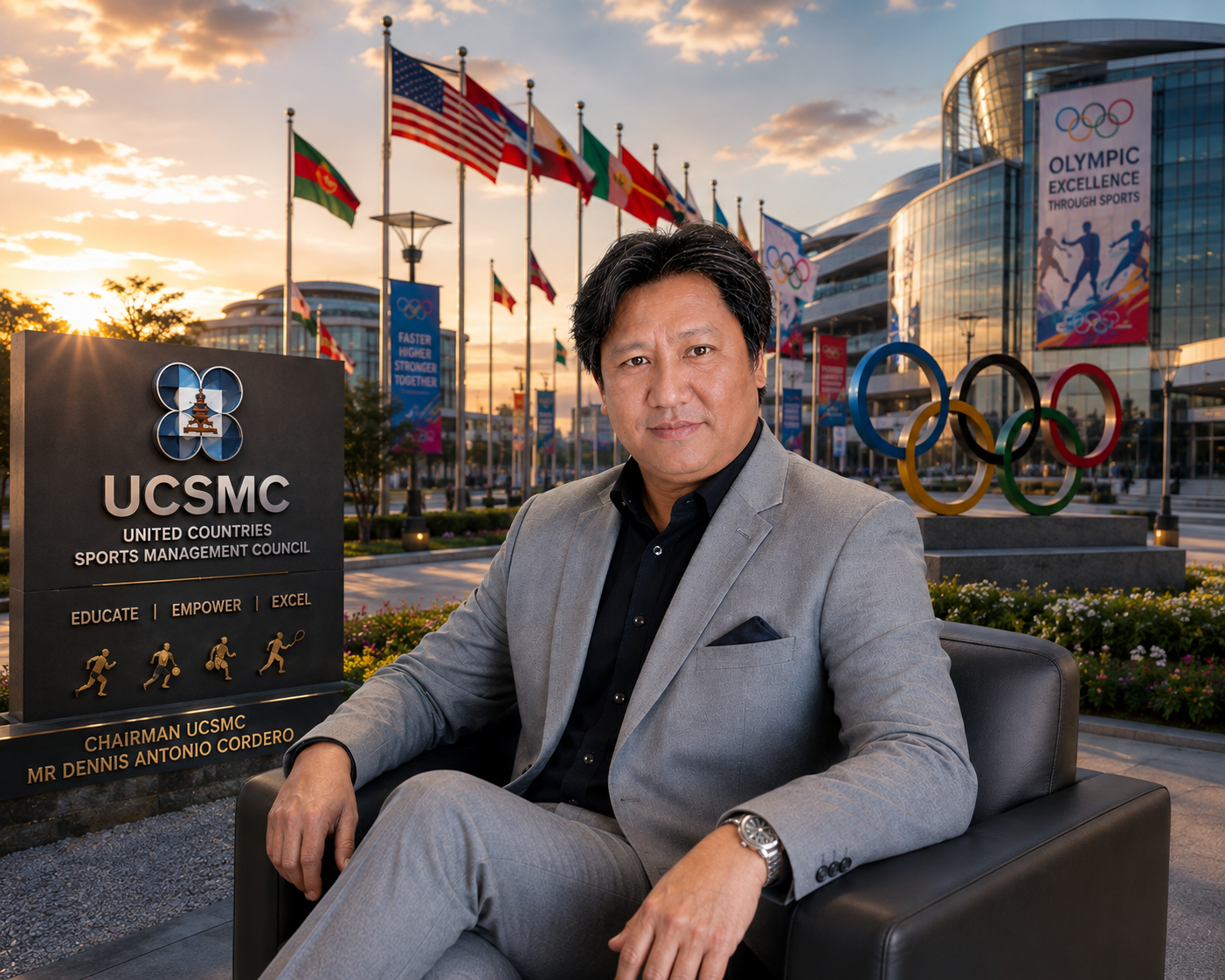
Dennis Antonio
Chairman
Provides strategic leadership and vision to guide UCSMC’s global growth and long-term development.
Committed to strengthening international cooperation, governance, and opportunities across the sports sector.

Aqib Khursheed
Director
Leads UCSMC’s global sports management, education, events, partnerships, and development initiatives.
Focused on connecting countries, institutions, and professionals through innovation, leadership, and sports development.

Dr Olena Timasheva
University of Ukrain
Contributes to UCSMC’s international development through professional expertise, collaboration, and global engagement.
Supports initiatives that promote sports education, leadership, and meaningful international partnerships.
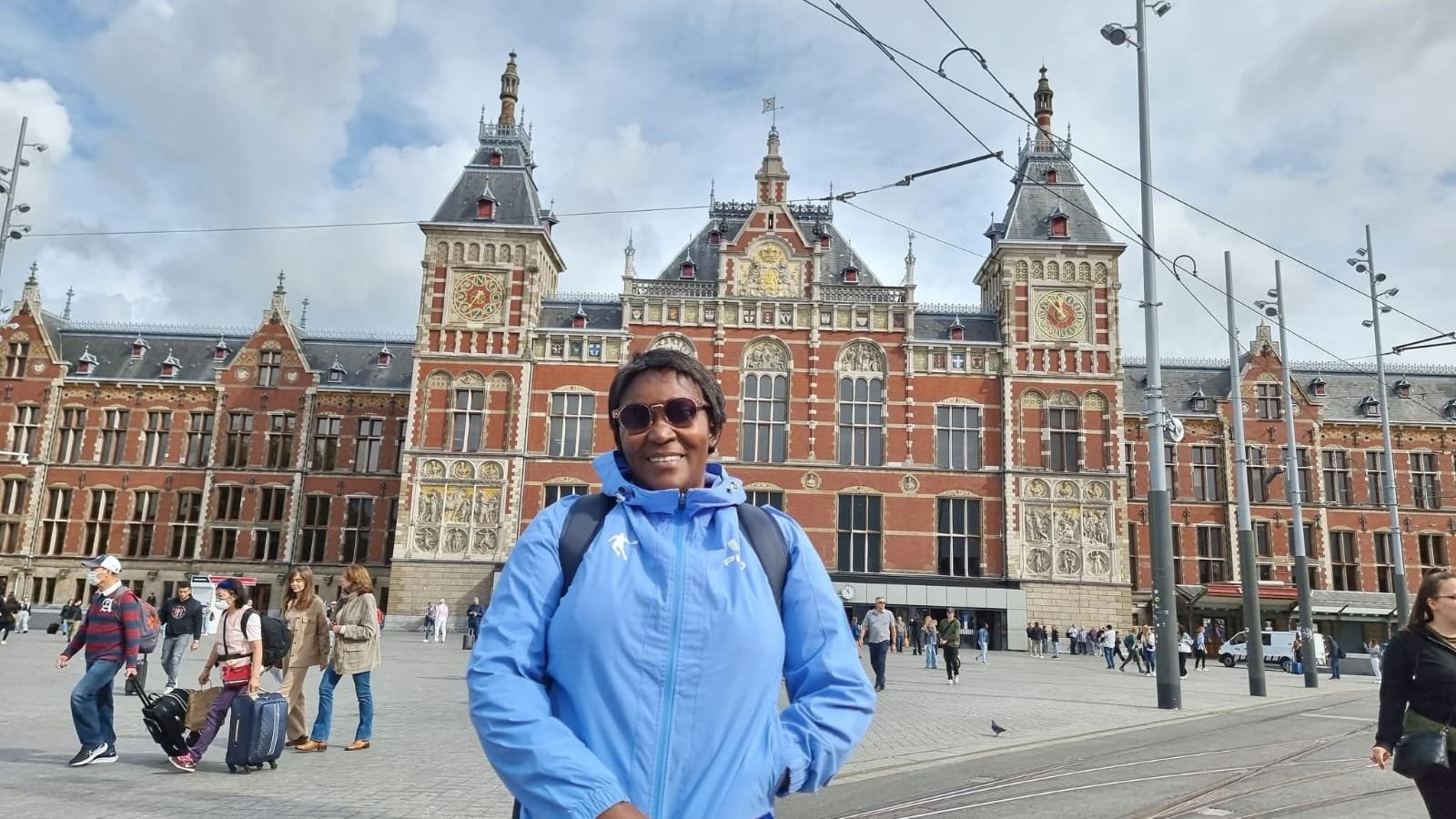
Dr Peninniah Kebenge
Ceo Fasu
A distinguished sports leader committed to advancing university sport, youth development, and international cooperation.
Supports stronger global connections and sustainable opportunities for athletes, institutions, and sports professionals.
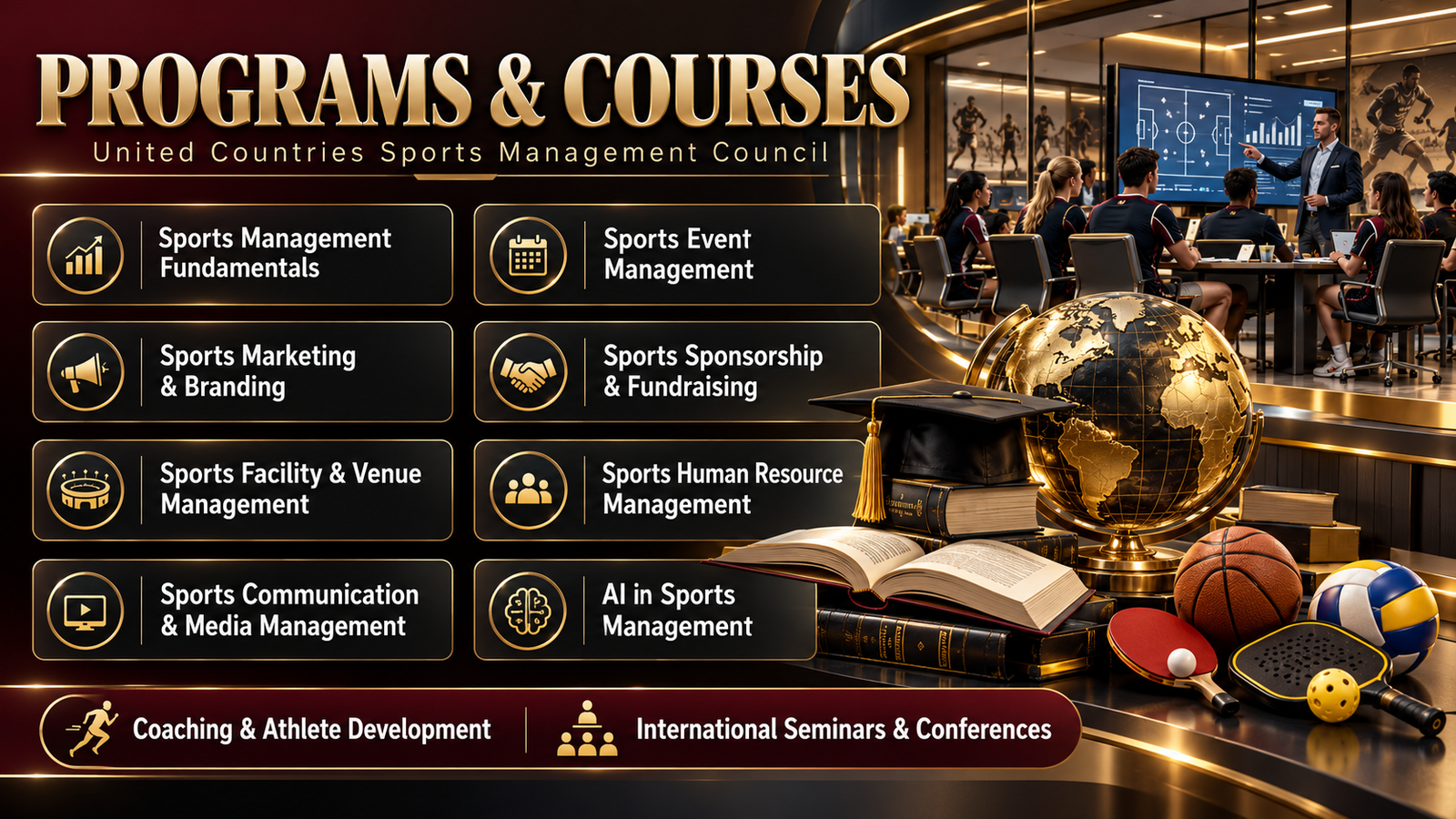
PROGRAMS & COURSES
Sports Management Courses
Sports Leadership Programs
Sports Event Management
Sports Marketing & Branding
Sports Sponsorship & Fundraising
Sports Facility & Venue Management
Sports Human Resource Management
Sports Communication & Media Management
Sports Analytics & Technology
AI in Sports Management
Coaching Education
Professional Sports Diplomas
UNITED COUNTRIES SPORTS MANAGEMENT COUNCIL
WHAT OUR PARTICIPANTS SAY
Hear from participants who have joined UCSMC sports management, coaching, leadership, and professional development courses.
UCSMC’s Sports Management course was highly informative and practical. The sessions helped me better understand leadership, event management, and the professional structure of the sports industry

Olga
Baseball Manager USA
The course content was clear, professional, and relevant to modern sports management. I especially appreciated the international perspective and practical knowledge shared during the sessions.

Victorias Palway
World Swimmer Canada
My experience with UCSMC was excellent. The program improved my knowledge of sports administration, management, and career development, while also giving me valuable international exposure.

John Doe
Professor Barcelona
Articles
Let’s Checkout Our All Latest News
Author: Muhammad Aqib Khursheed
Director: United Countries Sports Management Council (UCSMC)
PhD Scholar in Sports Management | Pakistan
Publication: UCSMC Global Sports Management Insights
October 2026
Abstract
The global sports industry is experiencing a fundamental transformation driven by technological advancement, economic expansion, evolving governance expectations, environmental concerns, and increasing demands for inclusive participation. As the world approaches 2030, sports management is becoming more complex, multidisciplinary, and strategically significant.
Traditional approaches centred primarily on competition management, coaching administration, and event organisation are no longer sufficient to address the requirements of the modern sporting environment. Sports organisations must now integrate artificial intelligence, digital transformation, sustainable financial planning, ethical governance, professional education, and international cooperation into their operational strategies.
This article examines the major global challenges facing sports management towards 2030, identifies emerging opportunities for sports organisations and professionals, and proposes strategic priorities for developing more sustainable, inclusive, and innovative sports systems.
The central argument is that the future of sports management will depend not simply on commercial expansion or technological sophistication, but on the ability of sporting institutions to balance innovation with integrity, financial growth with social responsibility, and international ambition with local community development.
Keywords: Sports Management, Sports Leadership, Artificial Intelligence, Sports Governance, Sports Education, Digital Transformation, Sustainability, Youth Development, Sports Industry 2030.
1. Introduction: A New Era of Global Sports Management
Sport has evolved far beyond the boundaries of stadiums, competitions, and athletic performance. Today, it represents an interconnected international ecosystem involving education, business, media, technology, public policy, community development, tourism, healthcare, and international relations.
Sports managers are no longer responsible only for organising competitions or supervising athletic programmes. They are increasingly expected to make strategic financial decisions, establish international partnerships, develop talent pathways, manage digital platforms, protect organisational integrity, and demonstrate measurable social impact.
According to Deloitte’s 2026 Global Sports Industry Outlook, the sports sector is entering another period of transformation, with artificial intelligence, new investment models, global ownership structures, and the convergence of sport, media, and entertainment reshaping traditional business practices.
These developments create substantial opportunities, but they also introduce new inequalities and organisational risks.
A major international sports federation may have access to advanced technologies, specialised human resources, and diversified commercial revenue. In contrast, a developing sports organisation may struggle to maintain basic infrastructure, secure sponsorship, deliver professional education, or establish sustainable athlete development systems.
Consequently, the future of sports management towards 2030 must be evaluated through two interconnected questions:
How can sports organisations become more innovative, competitive, and financially sustainable?
How can the benefits of sporting development reach young people, smaller organisations, and underserved communities?
The answers will determine whether global sports development becomes more inclusive or increasingly concentrated among well-resourced institutions.
2. Artificial Intelligence and Digital Transformation
Artificial intelligence is rapidly emerging as one of the most influential developments affecting modern sports management.
Sports organisations are increasingly exploring AI-supported systems for operational planning, athlete performance assessment, audience engagement, administrative processes, financial analysis, and strategic decision-making.
2.1 Opportunities for AI in sports management
AI can support sports administrators in several practical areas:
Sports event management: Registration systems, event scheduling, resource allocation, logistics, and operational reporting.
Athlete development: Performance assessment, training analysis, workload monitoring, and talent identification.
Sponsorship management: Potential partner identification, market research, sponsorship proposals, and partnership evaluation.
Sports education: Personalised learning, digital coaching resources, virtual classrooms, and educational content.
Fan engagement: Audience analysis, accessible communications, digital experiences, and personalised content.
Organisational administration: Budget monitoring, document management, internal coordination, and reporting.
The greatest opportunity is not simply the adoption of software. It is the development of organisational systems in which technology improves human decision-making.
2.2 Challenges associated with AI adoption
Despite these advantages, significant concerns remain.
The collection and analysis of athlete information can involve sensitive health, performance, and personal data. Poor governance may expose athletes and organisations to privacy violations, cybersecurity risks, or inappropriate automated decision-making.
AI-generated assessments may also contain errors or reflect bias within their underlying data.
Furthermore, smaller sports organisations may lack the financial resources and technical expertise required to adopt advanced digital systems.
Towards 2030, sports organisations should prioritise responsible AI adoption, human oversight, cybersecurity, data protection, and professional digital training.
AI should strengthen the capabilities of sports professionals rather than replace accountability, professional judgement, or ethical leadership.
3. Good Governance, Transparency and Institutional Accountability
Good governance remains one of the most important foundations of sustainable sports development.
Sports institutions depend on trust. Athletes, sponsors, educational partners, volunteers, governments, and communities must have confidence that sporting organisations operate fairly, transparently, and responsibly.
However, sports governance continues to face challenges involving conflicts of interest, financial mismanagement, weak institutional structures, unequal representation, and insufficient accountability.
3.1 The importance of governance reform
By 2030, sports organisations should move towards governance frameworks that include:
Clearly defined constitutional and organisational structures.
Transparent financial procedures and documented decision-making.
Fair leadership selection and appointment practices.
Safeguarding and welfare policies for athletes and young participants.
Conflict-of-interest management and independent oversight.
Meaningful representation of women and young people.
Accessible complaint, reporting, and disciplinary mechanisms.
The International Olympic Committee’s Olympic Agenda 2020+5 highlights credibility, solidarity, sustainability, and digitalisation as important priorities for the Olympic Movement.
These principles are also relevant to national sports organisations, grassroots associations, and sports education institutions.
3.2 Building trust through professional management
Institutional credibility must be demonstrated through consistent action.
A sports organisation should be able to explain how decisions are made, how funds are used, what responsibilities its representatives hold, and how athletes are protected.
Governance should not be treated only as a regulatory requirement. It should be recognised as a strategic capability that strengthens public confidence, organisational reputation, partnership opportunities, and long-term development.
The sports organisations that succeed towards 2030 will require not only visionary leadership but accountable and professionally managed institutions.
4. Financial Sustainability and the Changing Sports Business Model
The commercial expansion of sport creates opportunities for investment, employment, infrastructure development, sponsorship, media rights, and sports entrepreneurship.
However, commercial growth does not automatically guarantee organisational sustainability.
Many grassroots and emerging sports organisations remain heavily dependent on limited sponsorship opportunities, registration fees, donations, or occasional event income.
An organisation may successfully deliver one major competition while remaining financially vulnerable throughout the rest of the year.
4.1 Moving beyond traditional sponsorship
Sports managers should consider more diversified revenue models, including:
Long-term corporate sponsorship agreements.
Professional education and certified training programmes.
Membership services with clearly explained benefits.
Event registration and ticketing income.
Digital content and broadcasting partnerships.
Sports merchandise and licensing.
Sports tourism and community events.
Commercial partnerships with educational institutions.
Facility utilisation and year-round sporting activities.
Every revenue initiative must be accompanied by transparent budgeting, appropriate legal arrangements, fair pricing, and responsible financial management.
4.2 Measuring organisational value
Sports organisations should also reconsider how they communicate value to potential partners.
A sponsorship proposal should explain more than the number of logos displayed at a sporting venue.
Sponsors increasingly need evidence of audience relevance, community engagement, brand exposure, participant experience, and potential long-term relationships.
Developing reliable impact reports, financial records, stakeholder feedback, and digital engagement indicators can improve an organisation’s ability to demonstrate its contribution.
Towards 2030, the fundamental objective should be to transform sports activities from isolated events into sustainable programmes supported by diversified income, institutional partnerships, and continuous community engagement.
5. Sports Education and the Future Professional Workforce
The changing sports industry requires a new generation of managers equipped with interdisciplinary knowledge and practical professional skills.
Traditional academic qualifications remain important, but the future workforce will increasingly need experience in technology, financial management, strategic communication, governance, leadership, and data interpretation.
The World Economic Forum’s Future of Jobs Report 2025 identifies major changes in global workforce requirements towards 2030, particularly in technological competencies and complementary human skills such as analytical thinking, resilience, and collaboration.
Although these findings concern the broader labour market rather than sports management specifically, they provide important guidance for sports education institutions.
5.1 Essential competencies for sports managers towards 2030
Future sports management professionals should develop capabilities in:
Strategic sports leadership and organisational management.
Artificial intelligence and sports data literacy.
Sports marketing, sponsorship, and commercial development.
Financial planning and resource management.
Sports law, ethics, governance, and safeguarding.
International event and facility management.
Digital communication and media operations.
Research methods and evidence-based decision-making.
Sustainability and community development.
Cross-cultural communication and international cooperation.
5.2 Bridging education and practical experience
One of the major challenges facing sports management education is the gap between classroom learning and actual industry requirements.
A student may understand the theoretical principles of event management without having participated in event budgeting, registration, operations, risk assessment, or stakeholder coordination.
Universities, sports federations, professional councils, and training providers should therefore strengthen practical learning through internships, supervised projects, workshops, mentorship, and industry collaboration.
For developing countries, affordable online learning and blended educational models can create additional opportunities for students who cannot easily access international training.
However, the quality of educational programmes must remain central. Certificates and diplomas should be supported by transparent curricula, qualified instructors, meaningful assessment, and accurately stated recognition or accreditation.
Sports education towards 2030 should be accessible, professionally relevant, ethically delivered, and connected to genuine career development opportunities.
6. Youth Development and Social Inclusion Through Sports
Sport has the capacity to support young people’s physical well-being, social interaction, personal confidence, leadership development, and community participation.
UNESCO recognises sport as a valuable instrument for social development, education, peace, and inclusion.
Nevertheless, access to organised sports opportunities remains unequal.
Young people in underserved communities may experience barriers involving inadequate facilities, equipment costs, transportation, limited educational opportunities, disability access, or insufficient institutional support.
These barriers can prevent talented individuals from progressing despite their motivation and potential.
6.1 From participation to long-term development
Youth sports programmes should not focus exclusively on producing elite athletes.
They can also create opportunities for young people to become referees, coaches, event volunteers, administrators, sports educators, community leaders, and entrepreneurs.
A well-designed youth development programme could include:
Accessible community sports competitions.
Youth leadership and volunteering programmes.
Career guidance and professional mentoring.
Grassroots coaching and officiating education.
Opportunities for young women and persons with disabilities.
Partnerships with schools, colleges, and universities.
Local sports employment and entrepreneurship initiatives.
6.2 Measuring social outcomes
Simply counting participants does not provide sufficient evidence of developmental success.
Sports organisations should also evaluate participation retention, learning outcomes, volunteer progression, safeguarding performance, accessibility, and participant satisfaction.
Where appropriate, longer-term evaluations can assess whether programmes have contributed to education, employability, confidence, or meaningful community engagement.
The future of sports development should be measured not only by medals and trophies but also by the quality and sustainability of opportunities created for people.
7. Women in Sports Leadership and Management
Women’s sports represent an increasingly important area of global sporting growth.
Deloitte projected that global revenues in women’s elite sports would reach at least US$3 billion in 2026, reflecting increasing commercial investment, media engagement, and professionalisation.
However, commercial growth at the elite level should not be confused with equal access to sporting opportunities at every level.
Significant challenges remain in coaching, management, officiating, governance, infrastructure, and professional development.
Strategic priorities towards 2030
Sports organisations should consider establishing measurable targets for women’s participation in leadership programmes, educational courses, event administration, and decision-making.
They should also address practical barriers, including safety, accessibility, suitable facilities, professional mentoring, and equitable development opportunities.
Partnerships between educational institutions, sports councils, federations, and community organisations can help build sustainable pathways.
Women’s participation should not be treated as a temporary promotional campaign. It should be embedded within long-term institutional planning.
8. Sustainability, Climate Responsibility and Sports Events
Environmental responsibility is becoming an increasingly important dimension of sports administration.
International competitions, stadium operations, sporting equipment, transportation, energy consumption, and waste management all have environmental implications.
Changing climate conditions may also affect the safety, scheduling, and feasibility of outdoor sporting activities.
Towards 2030, sustainable sports management should move beyond symbolic environmental commitments towards measurable operational improvements.
Practical sustainability strategies
Sports organisations can begin with initiatives such as:
Reducing single-use materials during events.
Encouraging reusable sporting equipment where appropriate.
Improving waste segregation and recycling.
Selecting accessible venues and efficient transportation options.
Monitoring energy and water consumption.
Establishing heat, air-quality, and extreme-weather procedures.
Using digital documentation where practical.
Including environmental responsibilities in event planning and procurement.
The objective should be proportionate and realistic implementation.
A community sports tournament may not possess the resources of a major international championship, but it can still develop a responsible environmental plan suited to its operational capacity.
Sustainability should become part of sports managers’ everyday decision-making rather than an isolated activity.
9. International Cooperation and Opportunities for Developing Countries
The future of global sports management will depend partly on the ability of institutions to build relationships across national and organisational boundaries.
International collaboration can support education, research, coaching development, professional mobility, and the exchange of effective management practices.
Yet cooperation must provide meaningful value to participating organisations.
Formal agreements alone cannot guarantee developmental progress.
9.1 From symbolic partnerships to practical cooperation
Effective international partnerships should establish clearly defined activities, responsibilities, timelines, and expected outcomes.
Examples include joint sports management seminars, coach education projects, student exchange opportunities, collaborative research, community sports programmes, and shared professional development resources.
For organisations with limited budgets, virtual training and knowledge exchange can provide accessible starting points.
9.2 The opportunity for Pakistan and other developing sports systems
Pakistan possesses considerable potential for youth sports participation, educational collaboration, sports entrepreneurship, and professional sports management development.
However, the realisation of that potential requires consistent investment in institutional capacity, accessible facilities, qualified professionals, transparent management, and organised youth development pathways.
Sports institutions in Pakistan and comparable settings can benefit from stronger cooperation between universities, federations, private organisations, local communities, and internationally recognised professional bodies.
The central challenge is not merely to increase the number of sporting events. It is to develop stronger systems capable of supporting continuous participation, professional education, and sustainable career opportunities.
10. Emerging Opportunities Towards 2030
Alongside these challenges, the evolving sports industry presents several promising areas for future development.
Digital sports education: Universities and training providers can expand access to professional learning through blended programmes, virtual mentorship, and interactive educational resources.
Sports entrepreneurship: New enterprises can support event operations, digital media, analytics, sports equipment, facility management, and community programme delivery.
Esports and emerging sports: Expanding digital competitions and newer sporting disciplines may create additional opportunities for administration, commercial partnerships, technology development, and event management.
Sports tourism: Well-managed sporting events can attract visitors, encourage local business activity, and contribute to regional development.
Research and innovation: Greater cooperation between researchers and sporting organisations can improve the quality of planning, policy development, operational decisions, and programme evaluation.
Community-based sports systems: Affordable local programmes can provide pathways into leadership, coaching, volunteering, education, and professional development.
The organisations that benefit most from these opportunities will be those that connect ambitious ideas with realistic implementation, appropriate governance, and measurable results.
11. A Strategic Roadmap for Sports Organisations: 2026–2030
To prepare for the future, sports organisations require structured plans rather than disconnected development activities.
The following framework presents proposed priorities for implementation. It is a strategic recommendation, not a description of programmes already completed.
Period
Strategic priority
Recommended action
2026–2027
Organisational assessment
Review governance, finances, skills, safeguarding, and digital readiness
2027–2028
Professional development
Expand practical training, digital literacy, leadership education, and institutional partnerships
2028–2029
Innovation and sustainability
Introduce suitable digital systems, diversified funding, inclusive programmes, and environmental procedures
2029–2030
Evaluation and international development
Assess outcomes, strengthen effective initiatives, and establish evidence-based international cooperation
Recommended performance indicators
Organisations should measure progress against clearly documented baselines and realistic targets. Relevant indicators include:
Participation and retention rates.
Representation and accessibility.
Completion of professional development programmes.
Financial sustainability and revenue diversification.
Governance compliance and safeguarding effectiveness.
Partnership activities completed.
Volunteer development and progression.
Digital service quality.
Environmental performance.
Measurable community outcomes.
Clear performance indicators can help institutions distinguish meaningful progress from activities that generate publicity without lasting developmental impact.
12. UCSMC’s Perspective: Connecting Global Sports Education, Leadership and Development
The United Countries Sports Management Council (UCSMC) recognises the importance of strengthening professional knowledge, encouraging international collaboration, and supporting opportunities for sports managers, educators, coaches, students, and emerging leaders.
Looking towards 2030, an important strategic direction for UCSMC is the connection of sports management education with practical organisational development.
This direction can be advanced through several interconnected priorities.
First, expanding professional sports education: Supporting accessible learning opportunities in event management, sports governance, marketing, sponsorship, technology, and leadership.
Second, encouraging international knowledge exchange: Promoting meaningful cooperation among educational institutions, sporting organisations, and sports management professionals.
Third, supporting youth development: Encouraging young people to participate in sporting, educational, volunteer, and leadership activities.
Fourth, promoting responsible innovation: Exploring the practical use of artificial intelligence and digital platforms while protecting transparency, human oversight, and data privacy.
Fifth, strengthening professional standards: Encouraging ethical leadership, sound financial management, accurate professional representation, and institutional accountability.
For UCSMC, the most important measure of progress should be whether educational initiatives and international partnerships translate into meaningful opportunities, stronger professional capabilities, and sustainable community benefits.
A globally connected sports community cannot be built through institutional recognition alone. It requires continuous learning, trust, transparent collaboration, and the delivery of practical results.
13. Conclusion: Leadership Will Define the Future of Sport
As the world approaches 2030, sports management stands at a critical point of transformation.
Artificial intelligence, digital media, new investment models, international partnerships, and emerging sporting disciplines are reshaping how the industry operates.
At the same time, financial inequality, governance weaknesses, educational gaps, environmental challenges, and unequal access to participation continue to affect the long-term development of sport.
The future will therefore demand professionals who possess more than technical knowledge.
Sports managers will need strategic vision, financial competence, technological awareness, ethical judgement, cultural understanding, and the capacity to connect organisational performance with community well-being.
Above all, the future of sports management must remain human-centred.
Technological innovation has limited value if it does not improve decision-making, strengthen institutions, or create opportunities. Commercial success cannot be considered complete if it overlooks accessibility, integrity, and the development of future generations.
The most resilient sports organisations towards 2030 are likely to be those that combine innovation with accountability, education with practical experience, financial sustainability with social responsibility, and international cooperation with measurable local impact.
The future of sports management is not only about managing sporting organisations more efficiently. It is about developing responsible leaders, building stronger institutions, and ensuring that sport continues to create meaningful opportunities for people and communities around the world.
References
Deloitte. (2026). 2026 Global Sports Industry Outlook.
https://www.deloitte.com/us/en/insights/industry/technology/technology-media-telecom-outlooks/sports-industry-outlook.html
World Economic Forum. (2025). The Future of Jobs Report 2025.
https://www.weforum.org/publications/the-future-of-jobs-report-2025/
International Olympic Committee. (2021). Olympic Agenda 2020+5: 15 Recommendations.
https://www.joc.or.jp/olympism/agenda2020/pdf/agenda2020-5-15-recommendations_EN.pdf
UNESCO. (2024). Sports for Development.
https://www.unesco.org/en/articles/sports-development
Deloitte. (2026). Women’s Elite Sports Revenues Expected to Reach at Least US$3 Billion Globally in 2026.
https://www.deloitte.com/us/en/about/press-room/deloitte-announces-womens-sports-revenue-report.html
About the Author
Muhammad Aqib Khursheed is a sports management professional from Pakistan with more than 10 years of experience in sports administration, event management, professional education, and international sports development.
He serves as Director of the United Countries Sports Management Council (UCSMC) and is pursuing a PhD in Sports Management at the University of Guilan, Iran.
His professional interests include sports leadership, governance, international sports cooperation, artificial intelligence in sports management, professional education, and youth development.
Official Website: www.ucsmc.com